
Montgomery Energy Connection
OUTReach, communications, VIDEO, GRAPHIC DESIGN, street teams, EVENT PLANNING
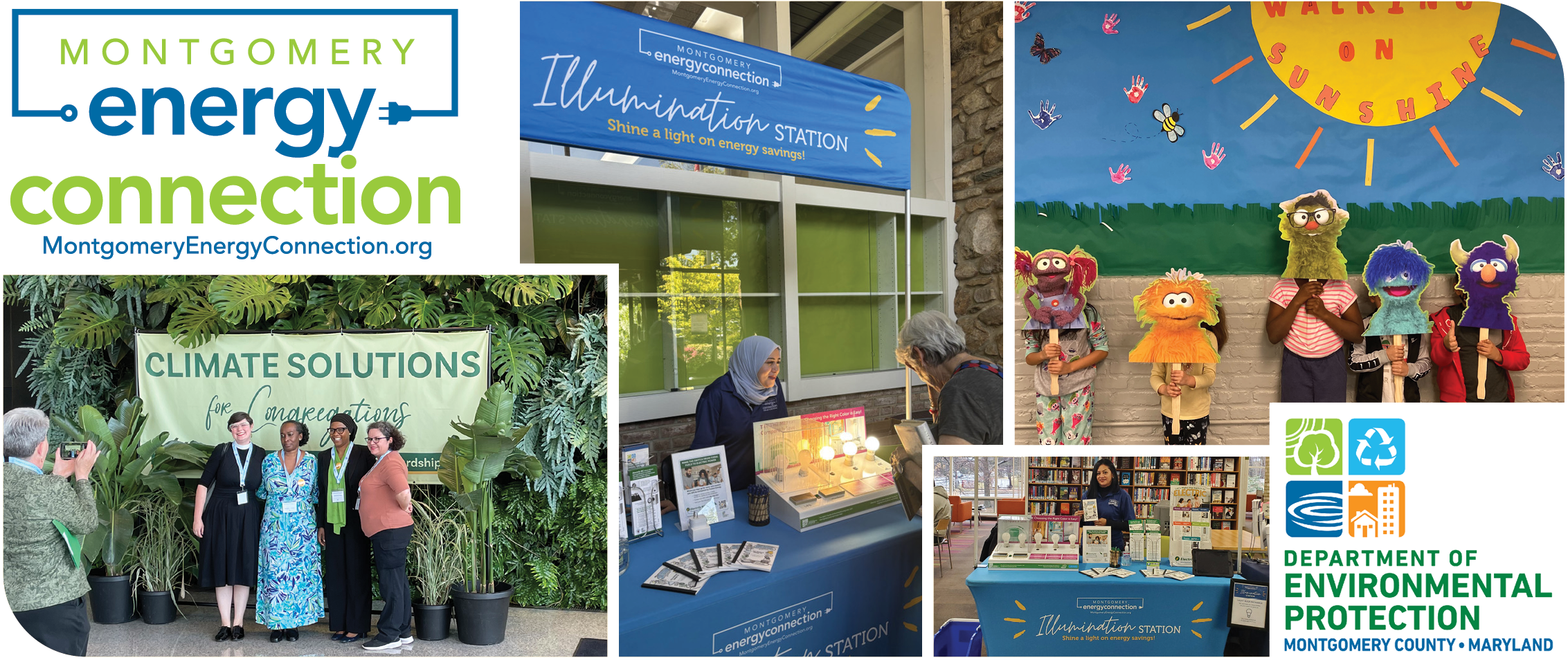
As part of their on-going efforts to help residents of Montgomery County reduce their fossil fuel usage, the Montgomery Energy Connection (MEC) program sought to develop additional outreach programs to educate and engage with diverse communities. NeoNiche designed a comprehensive educational program for students, coordinated an inter-faith climate event, and led in-person outreach efforts to expand the program's reach and impact.
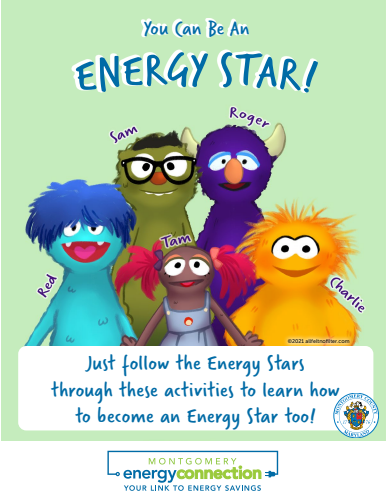
NeoNiche branded and developed print and digital collateral for MEC’s Youth Energy Stars Program to educate K-5 students about energy conservation. We produced a series of entertaining videos, a print and digital pledge, an educator toolkit and activity book for participants.
We planned and executed the Climate Solutions for Congregations event, bringing together over 600 individuals of different faiths to learn about climate-smart programs and funding opportunities in Montgomery County. We supported the promotion of the event through the creation of a video highlighting participants, awards and marketing materials, social media toolkit and giveaways for attendees.
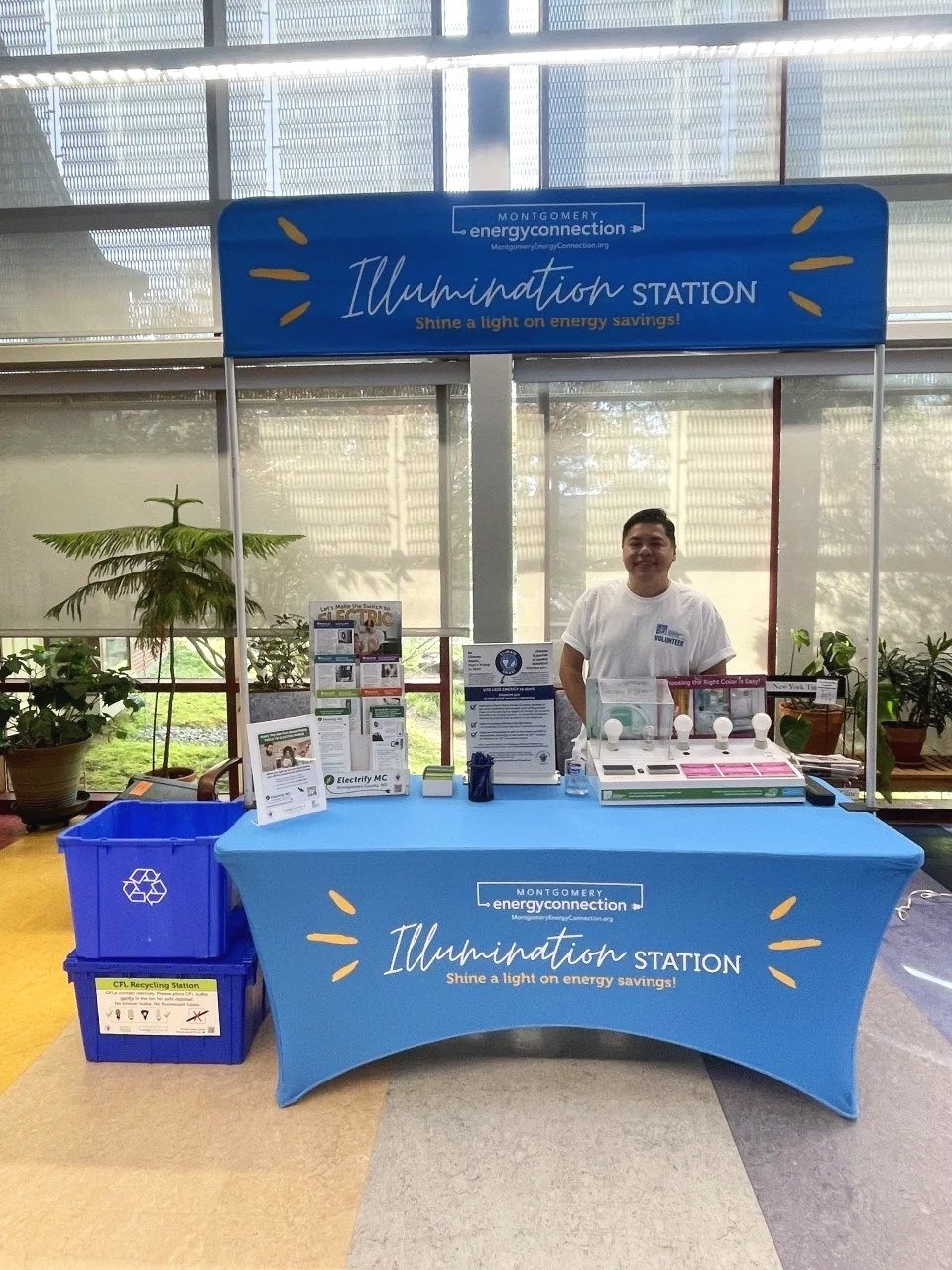
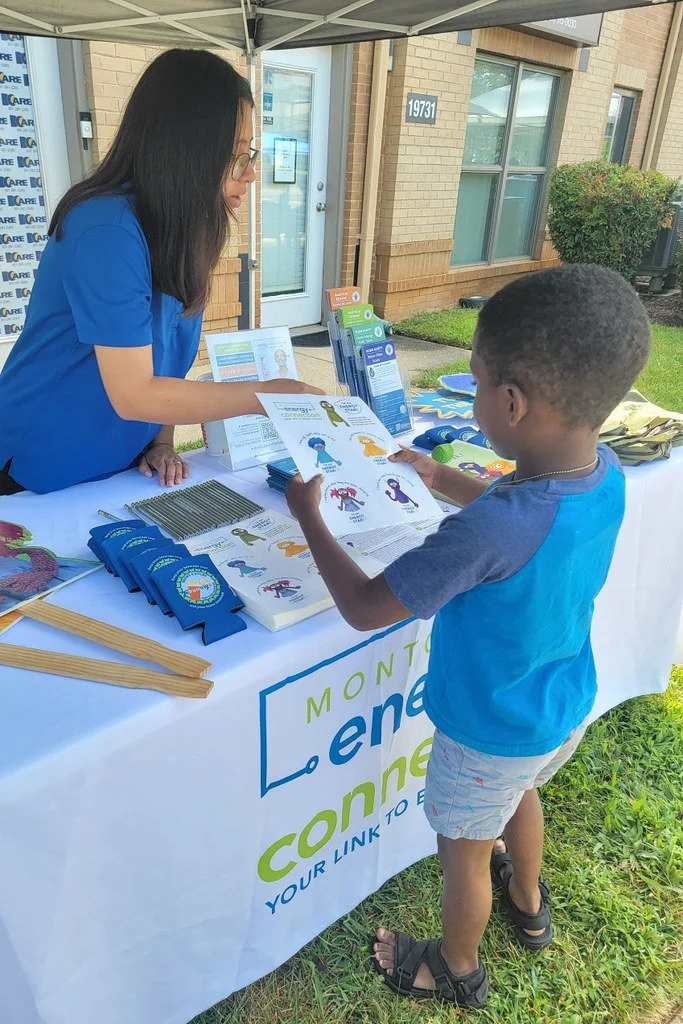
We participated in over 1500 pop-up events throughout Montgomery County resulting in thousands of in-person engagements, helping to educate and encourage energy efficient choices - collecting over 19,000 incandescent and CFL bulbs and exchanged for approximately 6,000 energy efficient LED bulbs.
We also launched MEC's social media presence with a strategy which drove meaningful engagement and audience growth, serving as a channel for outreach event promotion, campaigns, and program initiatives.
Project goal
Expand outreach efforts in Montgomery County to inform residents, students, and community stakeholders about the tools and resources available to them to become more energy efficient.
ABOUT THE CLIENT
The Washington Metropolitan Area Transit Authority (Metro) was created by an interstate compact in 1967 to plan, develop, build, finance, and operate a balanced regional transportation system in the national capital area. Metro began building its rail system in 1969, acquired four regional bus systems in 1973, and began operating the first phase of Metrorail in 1976.
Today, Metrorail serves 91 stations and has 117 miles of track. Metrobus serves the nation's capital 24 hours a day, seven days a week with 1,500 buses. Metrorail and Metrobus serve a population of approximately 4 million within a 1,500-square mile jurisdiction.
For more information about the Washington Metropolitan Area Transit Authority, visit: